4 Columns List

DTF Transfer vs Sublimation
Vibrant DTF transfers in various sizes with colorful gun, duck, astronaut, and dragon designs. Map location of a DTF printing shop with same day printing offer for orders before 3PM MT.
DTF Transfers By Size loading
Regular price $1.50
Local Pickup & Shipping
Heat pressing service text on a vibrant DTF transfers background for custom apparel
Pressing Service loading
Regular price $3.00
Local Pickup & Shipping
bulk pack of printer cleaning foam swabs with green handles for DTF printer maintenance
Printer Cleaning Foam Swabs - 50 Pack loading
Regular price $14.49
Local Pickup & Shipping

DTF Transfer vs Sublimation: A Detailed Comparison 🖨️🎨

When entering the world of custom garment printing, you’ll inevitably face the question: DTF Transfer vs Sublimation—which one should you choose? Both methods are popular for their vivid output and durability, yet they have distinct advantages that suit different needs. Whether you're an entrepreneur or hobbyist, understanding their differences is crucial before investing in equipment or supplies.

✅ Want to start printing today? Shop premium DTF supplies here!

What Is DTF Transfer?

DTF (Direct to Film) printing is a modern technology that prints designs onto a special film, which is then heat-pressed onto fabric using adhesive powder. Unlike other methods, DTF works on a wide range of materials—including cotton, polyester, and blends.

Key Features:

  • Prints on both light and dark fabrics

  • No pre-treatment required

  • Durable, stretch-resistant results

  • Compatible with small and large batch printing

You can learn more about Direct to Film printing on Wikipedia to dive deeper into its technical roots.

What Is Sublimation Printing?

Sublimation is a specialized printing technique that relies on heat and pressure to create vibrant, long-lasting designs on certain types of materials—primarily polyester or surfaces coated with a polymer. During the process, solid dye particles are converted directly into gas through the application of high heat. This gaseous dye then penetrates the synthetic fibers or coating and becomes part of the material itself.

Because the dye becomes embedded rather than just sitting on the surface, the result is a highly durable and permanent print that won't peel, crack, or fade over time. This method is particularly effective for detailed, full-color designs such as photographs, gradients, or complex logos. However, it’s important to note that this technique only works on light-colored, synthetic fabrics or specially coated items like mugs, phone cases, or aluminum sheets.

By fusing the dye into the substrate at a molecular level, this method produces a very soft hand feel, as there’s no added layer of ink or film. It's a popular choice in the custom apparel and promotional product industries due to its color vibrancy and long-term durability.

Key Features:

  • Best suited for light-colored polyester

  • Produces vibrant, permanent colors

  • Breathable finish

  • Requires polyester or polymer-coated blanks

However, sublimation printing doesn't work on cotton or dark fabrics, which limits its versatility compared to DTF.

DTF Transfer vs Sublimation: Pros & Cons

Let’s break it down side by side:

Feature DTF Transfer Sublimation Printing
Fabric Compatibility Cotton, polyester, blends Polyester or polymer-coated only
Color Range Works on dark & light fabrics Light fabrics only
Durability Highly durable Very durable
Cost of Setup Moderate Low to moderate
Print Feel Slightly raised Feels like part of the fabric
Ease of Use Beginner-friendly Requires fabric-specific blanks

Which Should You Choose?

Choosing between DTF Transfer vs Sublimation depends on your business goals and materials. If you need maximum flexibility in garment types, DTF is the way to go. On the other hand, if you’re focusing on performance apparel made from polyester, sublimation might be your best fit.
Practical Examples

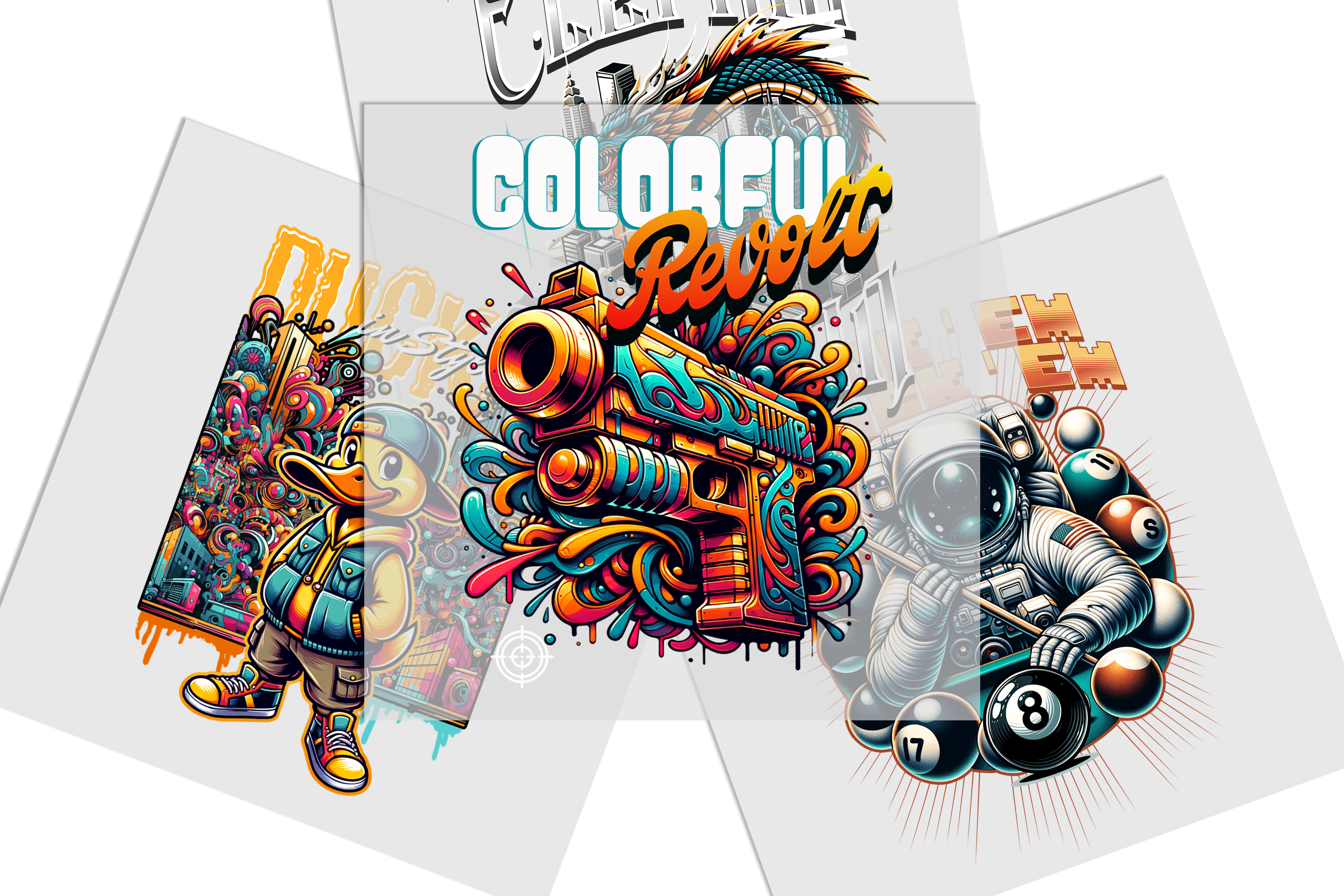
Let’s say you’re launching a t-shirt brand with colorful, detailed graphics on black cotton tees. Sublimation won't cut it. DTF will offer bold prints with excellent longevity. But if you're customizing sports jerseys made of 100% polyester, sublimation could give you a softer, embedded feel.

💡 Pro Tip: Some businesses even use both printing techniques, depending on the job!

Internal Link: Your One-Stop Shop for DTF

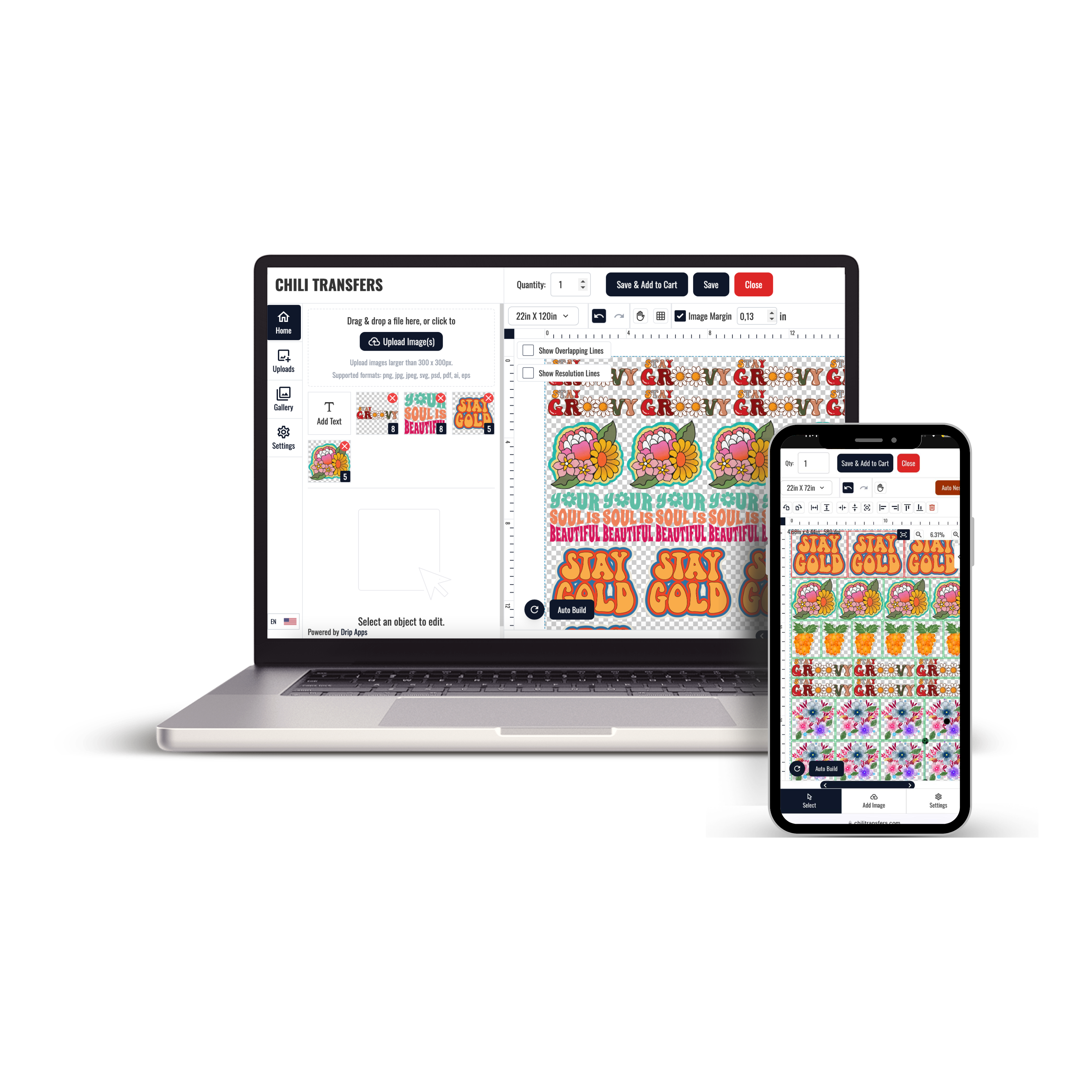
If you’re leaning toward DTF, Chili Transfers has all the equipment and consumables you need to get started. From custom DTF gang sheets to premium UV DTF stickers, we’ve got you covered.

Looking for more info? Our in-house experts can guide you through the setup and supplies selection process.


Final Thoughts

The debate between DTF Transfer vs Sublimation comes down to your needs. For versatility and fabric variety, DTF wins. For soft, embedded prints on polyester, sublimation excels. Both are powerful tools that can elevate your apparel business when used correctly.

No matter your choice, it’s essential to invest in quality supplies and educate yourself on the nuances of each method. Visit ChiliTransfers.com to explore top-tier materials and expert support today! 🚀