
4 Columns List

DTF Transfer Size Chart
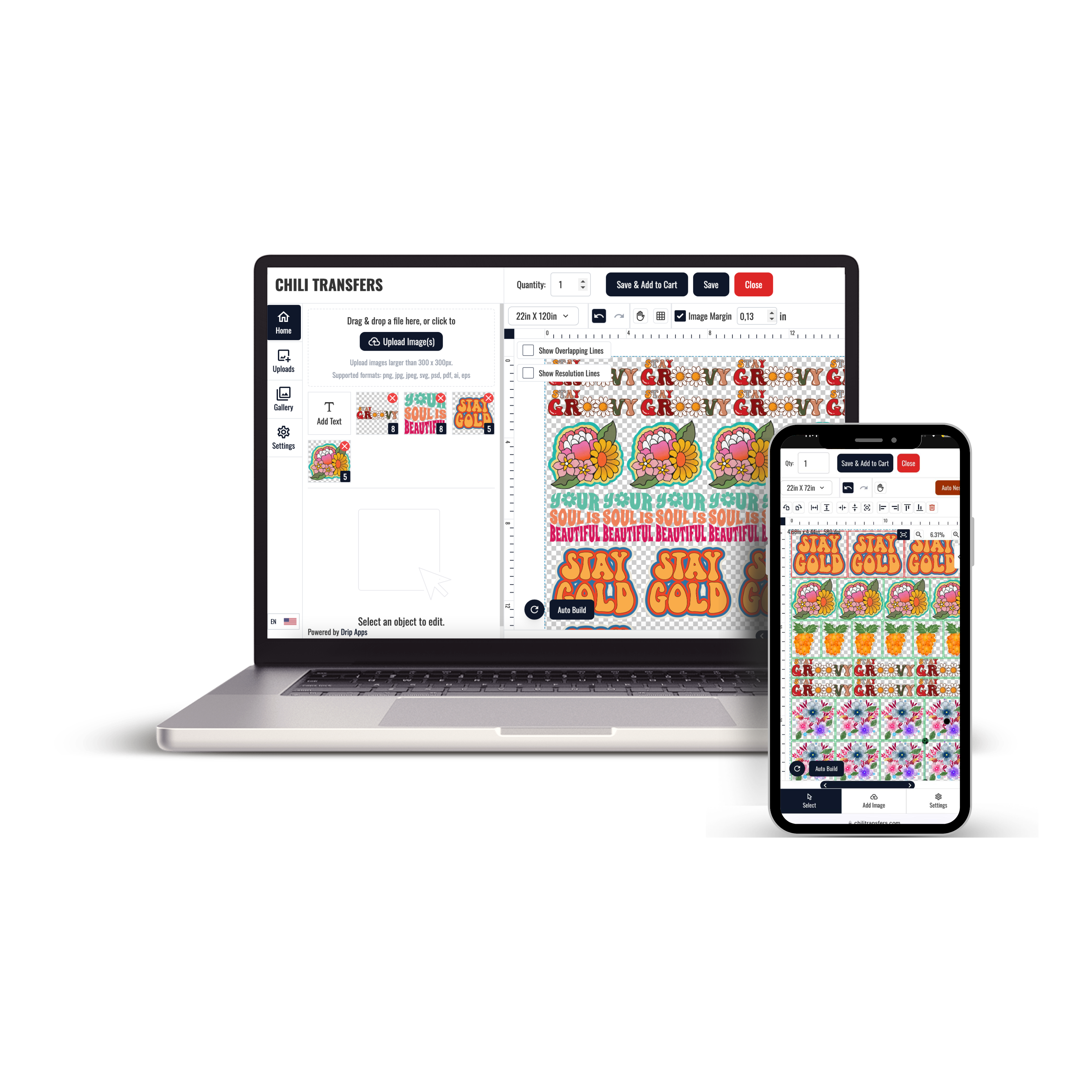
DTF Gang Sheet Builder DTF Gang Sheet Builder
DTF Gang Sheet Builder loading
Regular price $6.00
DTF Transfers By Size DTF Transfers By Size
DTF Transfers By Size loading
Regular price $1.50

DTF Transfer Size Chart
The DTF transfer size chart is essential for anyone who wants clean, professional results in t-shirt printing. Choosing the correct size helps your design look balanced, readable, and well-placed. When a transfer is too small, the design may feel weak. When it is too large, it can look crowded or uncomfortable.

This guide explains the DTF transfer size chart in a clear and simple way. It is useful for beginners and experienced printers. You will find size charts, easy tips, and best practices for different garments and styles.


Why the DTF Transfer Size Chart Matters

Using the correct DTF transfer size chart improves both print quality and production speed. Size affects how the design looks and how long it lasts.

Correct sizing helps you:

  • Avoid wasted film and ink

  • Keep designs centered

  • Improve comfort for the wearer

  • Create a professional finish

  • Save time during production

Before printing, always consider the garment type, fabric, and design placement.


DTF Transfers Size Chart for T-Shirts

The DTF transfers size chart for t-shirts below shows common size ranges. These sizes work well for most standard designs and layouts.

Common Placement Sizes

  • Full Front: 10" × 12" to 12" × 16"

  • Left Chest: 3" × 3" to 4" × 4"

  • Back Center: 10" × 12" to 12" × 16"

  • Sleeve: 2" × 10" to 3" × 12"

  • Pocket Area: 3" × 3" to 4" × 4"

These sizes help designs look clean and well-proportioned on most shirts.


Simple DTF Transfers Size Chart for Beginners

If you are new to printing, this DTF transfers size chart is a safe starting point. These sizes require minimal adjustment.

Beginner-Friendly Sizes

  • Infant Onesies: 5" × 5" to 6" × 6"

  • Youth T-Shirts: 8" × 10" to 10" × 12"

  • Adult T-Shirts: 10" × 12" to 12" × 16"

  • Hoodies (Front): 10" × 12" to 12" × 16"

  • Hoodies (Back): 12" × 16" to 14" × 18"

These sizes work well for most beginner projects.


Best Practices When Using a DTF Transfers Size Chart

Following simple rules makes sizing easier and more accurate.

Measure the Garment

Garments vary by brand and style. Always measure the printable area before choosing a size.

Keep Designs Easy to Read

Avoid very small text. Simple designs print better and last longer.

Test Before Full Production

Test prints help you confirm placement and size before printing in bulk.

Leave Small Margins

Do not place designs too close to seams, collars, or edges.


Size Tips for Different T-Shirt Styles

The DTF transfers size chart should change based on shirt style.

Crew Neck Shirts

  • Best size: 12" × 16"

  • Balanced and easy to center

V-Neck Shirts

  • Best size: 10" × 12"

  • Avoids the neckline

Oversized Shirts

  • Best size: 14" × 18"

  • Matches the loose fit


Understanding DTF Transfers Size Measurements

Accurate measuring prevents mistakes.

  • Width × Height: Always list width first

  • Orientation: Check portrait or landscape

  • Centering: Measure armpit to armpit

Using inches gives better precision and consistency.


Standard DTF Transfers Size Chart Categories

This structure helps organize your designs.

Size Ranges

  • Small: 4" × 4" to 6" × 6"

  • Medium: 8" × 10" to 10" × 12"

  • Large: 12" × 16" to 14" × 18"

  • Extra Large: 16" × 20" and above


Custom DTF Transfers Size Chart Planning

Some projects need custom sizing.

When to Customize

  • Unique garment shapes

  • Special layouts

  • Very small or large sizes

How to Plan

  • Focus on the main design area

  • Match size to garment scale

  • Use mockups before printing

Custom sizing gives more control and better results.


Frequently Asked Questions About the DTF Transfers Size Chart

What is the best DTF transfers size chart for adult t-shirts?

For adult t-shirts, the DTF transfers size chart recommends 10" × 12" to 12" × 16" for full front designs.

How do I choose the correct size using a DTF transfers size chart?

Measure the garment, choose the placement, and match it to the recommended size range.

Can I create a custom DTF transfers size chart?

Yes. Custom size charts are useful for special garments and unique designs.


Final Thoughts

The does not need to be complicated. Clear charts and simple rules help you achieve professional results. Measuring, testing, and adjusting will save time and reduce waste.

With practice, choosing the right size becomes quick and easy.


Follow Chili Transfers for Updates and Inspiration

👉 Instagram: https://www.instagram.com/chilitransfers/
👉 Facebook: https://www.facebook.com/people/Chili-Transfers-LLC/61570102253362/
👉 TikTok: https://www.tiktok.com/@chilitransfers