Best DTF Transfers

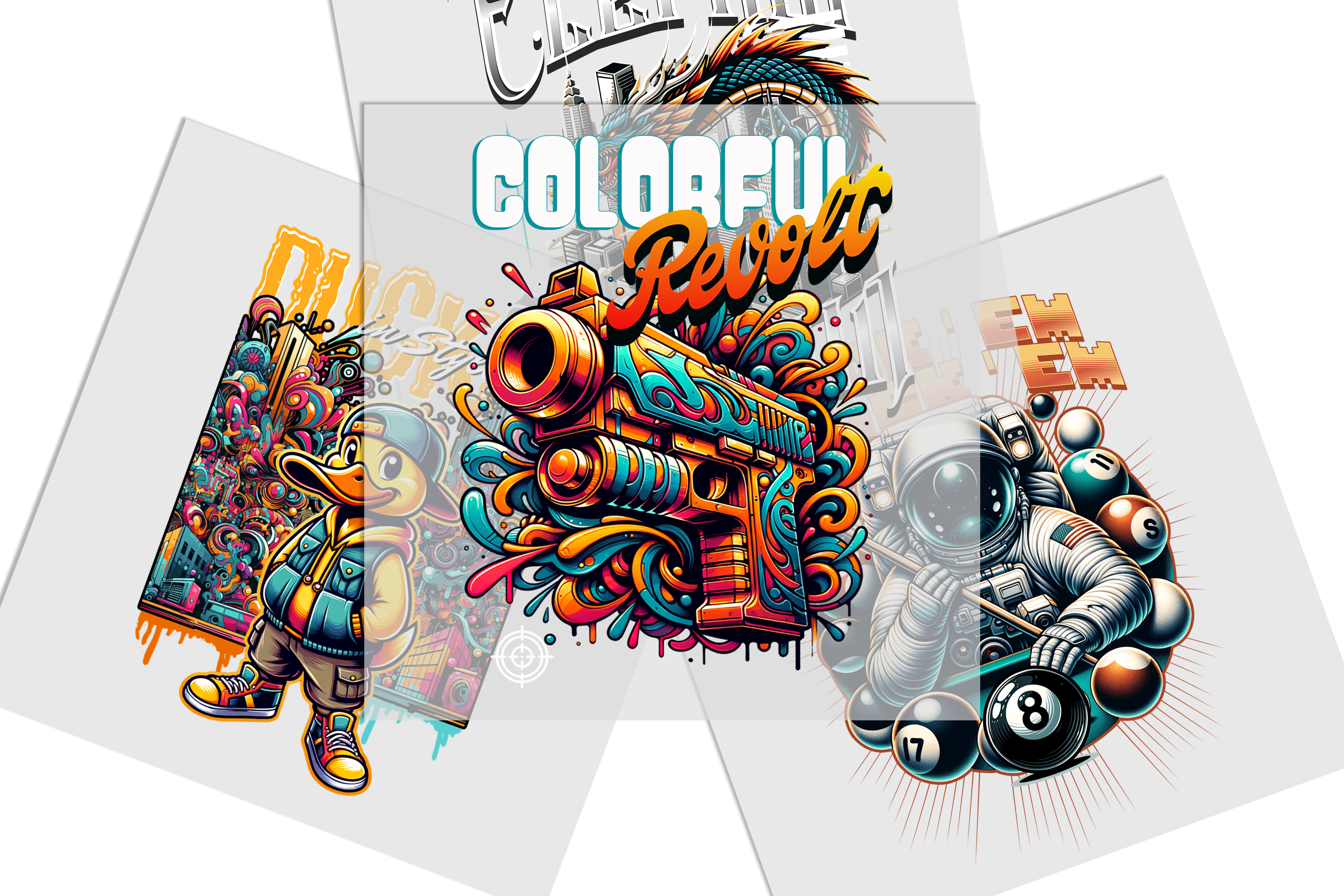


The best DTF transfers are not defined by one marketing claim. A good transfer should match the artwork, garment, intended size, application process, and production workflow.
For apparel businesses and custom creators, the practical goal is to choose a transfer that reproduces the approved artwork clearly, applies consistently to a compatible garment, and comes with application instructions that fit the specific product.
For current custom transfer options, explore DTF Transfers.
What Makes a Good DTF Transfer?
DTF transfer quality should be evaluated as a complete workflow rather than by color appearance alone.
Important checks include:
- Artwork clarity at the intended print size.
- Clean edges and readable small details.
- Consistent white-underbase registration when applicable.
- Compatibility with the intended garment.
- Clear application instructions.
- Appropriate transfer dimensions.
- Consistent results during test pressing.
Start With the Artwork
A high-quality transfer cannot fully correct a weak source file. Before ordering, review the artwork at the dimensions it will actually be printed.
- Use the approved artwork version.
- Check spelling, dates, names, and numbers.
- Remove unwanted backgrounds.
- Inspect thin lines and small lettering.
- Confirm the intended width and height.
- Make sure important details remain visible at final size.
If the finished dimensions are already known, DTF Transfers By Size can be used for individual custom artwork.
Check the Transfer at Its Actual Size
A design may look sharp when enlarged on a screen but behave differently when reduced for a left-chest logo, youth shirt, sleeve print, or small accessory placement.
Before approving the order:
- Choose the garment.
- Measure the available decoration area.
- Set the finished transfer dimensions.
- Review fine details at that size.
- Adjust the artwork before production if necessary.
Evaluate Garment Compatibility
Standard DTF transfers are commonly used with compatible textile products, but not every garment should automatically be treated the same.
Garment construction, coatings, fabric composition, texture, seams, pockets, and heat sensitivity can all influence application.
When using a new blank:
- Check the garment material.
- Review the transfer application instructions.
- Inspect raised seams and pockets.
- Test an unfamiliar garment before a larger run.
Look for Clear Application Instructions
The best transfer for a production workflow is one that comes with instructions appropriate to that specific transfer system.
Important application details may include:
- Temperature.
- Pressing time.
- Pressure.
- Peel method.
- Finishing press instructions.
Do not assume that one universal setting applies to every DTF transfer, heat press, and garment combination.
Why Heat Press Consistency Matters
A transfer can be prepared correctly and still produce an uneven result if the heat press does not provide consistent contact across the full design area.
Before production, check:
- That the garment sits flat on the platen.
- That seams or pockets are not interfering with pressure.
- That the transfer is positioned correctly.
- That the press has reached the required operating condition.
- That the application instructions are being followed consistently.
Test Before a Larger Production Run
Testing one garment can be useful when the transfer, blank, artwork size, or pressing setup is new to the operator.
Inspect the test garment for:
- Complete adhesion.
- Clean edges.
- Correct positioning.
- Small-detail reproduction.
- Unexpected garment marks.
- Correct peel behavior.
If the test reveals a problem, diagnose the cause before processing the rest of the order.
Custom DTF Transfers vs. Ready-to-Press Designs
The best ordering format depends on whether you already have finished artwork.
Custom DTF transfers are appropriate when you have your own logo, illustration, customer artwork, or personalized design.
Ready-to-press transfers are useful when you want an existing design that has already been prepared as a transfer and only need to complete the garment application stage.
Choose the format based on the actual production need rather than assuming one option is better for every order.
When Individual Transfers by Size Make Sense
Ordering by size can be practical when:
- You have one approved design.
- The final transfer dimensions are already known.
- You do not need to build a multi-design gang sheet.
- The same design will be repeated at a consistent size.
For this workflow, review DTF Transfers By Size.
When a Gang Sheet May Be Better
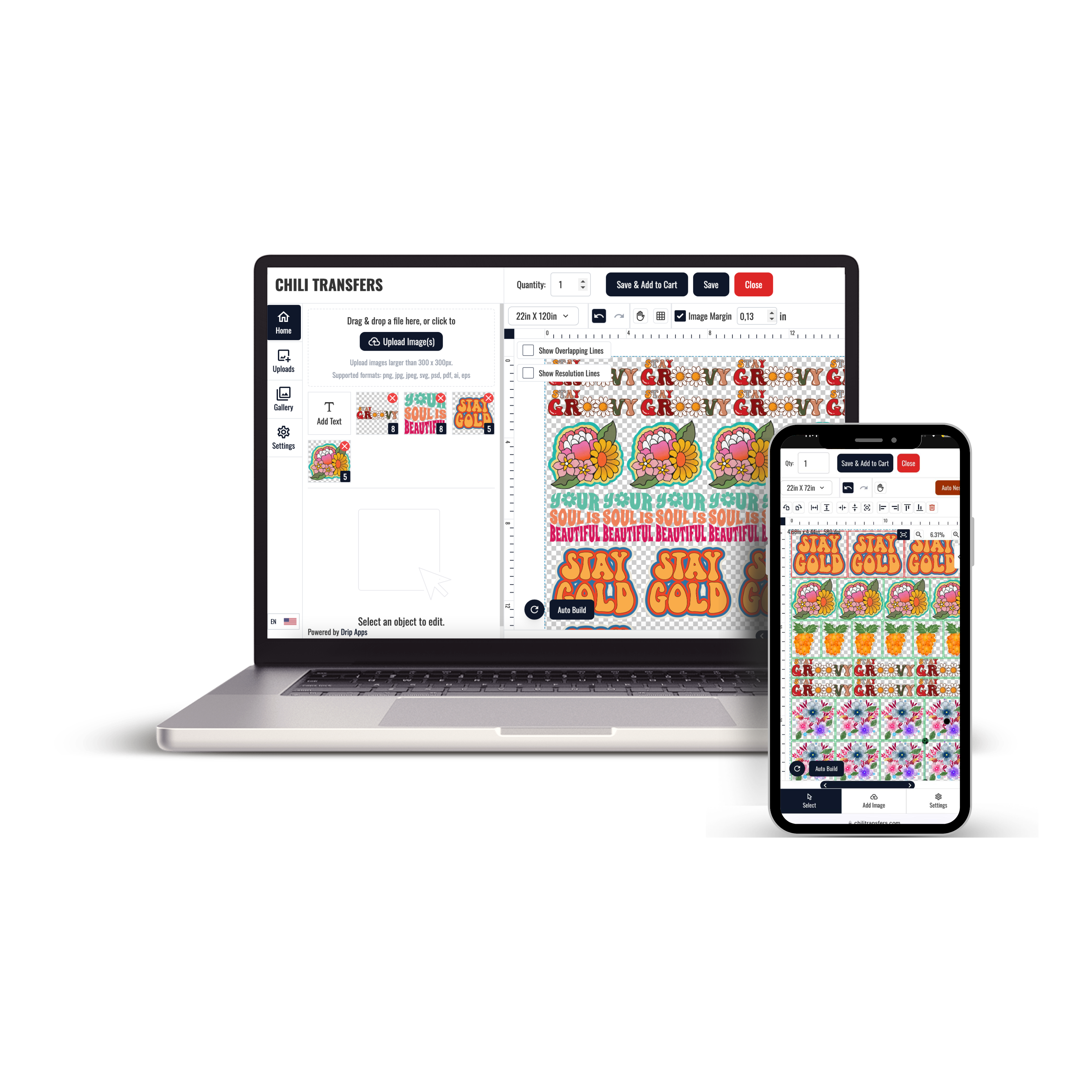
A gang sheet can make more sense when the same order contains several graphics, repeated logos, or multiple transfer sizes.
Before building the sheet, confirm:
- Final artwork versions.
- Transfer dimensions.
- Required quantities.
- Which designs belong to the same production job.
The gang sheet should organize confirmed production requirements rather than being the stage where sizes and artwork versions are decided.
How to Compare DTF Transfer Options
When comparing transfer options, use production criteria rather than relying only on labels such as “best,” “premium,” or “professional.”
Artwork Reproduction
Check whether fine lines, small text, gradients, and detailed elements remain clear at the intended transfer size.
Application Repeatability
A useful transfer workflow should allow the operator to follow the same documented pressing process across comparable garments.
Garment Compatibility
Confirm that the intended garment can tolerate the required application process.
Ordering Format
Decide whether individual transfers, a gang sheet, or a ready-to-press design fits the job.
Instructions and Support
Clear product instructions are important when troubleshooting placement, pressure, peeling, or garment-specific application issues.
Common Mistakes When Choosing DTF Transfers
Choosing Only by Price
Price matters, but the order should also be evaluated for artwork requirements, dimensions, application process, and production fit.
Assuming Every Fabric Behaves the Same
Different garments can respond differently to heat and pressure. Test unfamiliar materials.
Using the Wrong Transfer Size
A technically good transfer can still look incorrect if its proportions do not fit the garment.
Skipping Artwork Review
Spelling mistakes, old logos, low-resolution elements, and incorrect dimensions should be corrected before the transfer is produced.
Using Generic Press Settings
Follow the instructions for the specific transfer instead of applying one universal temperature and timing rule to every product.
DTF Transfer Quality Checklist
- Correct artwork version confirmed.
- Artwork reviewed at actual print size.
- Small details checked.
- Transfer dimensions confirmed.
- Garment compatibility reviewed.
- Application instructions available.
- Heat press setup checked.
- Test completed when necessary.
- Finished transfer inspected before full production.
Frequently Asked Questions
What should I look for when choosing DTF transfers?
Look for clear artwork reproduction, appropriate sizing, garment compatibility, usable application instructions, and consistent performance during test application.
Do DTF transfers work on every fabric?
No universal compatibility should be assumed. DTF is commonly used on several textile types, but the exact garment, coating, construction, and heat tolerance should be checked before production.
What is the best DTF transfer size?
There is no single best size. The correct dimensions depend on the garment, artwork proportions, placement, and intended visual result.
Are ready-to-press transfers better for beginners?
They can simplify the production workflow because the transfer printing stage has already been completed, but the operator still needs to follow the correct placement and application instructions.
How can I make DTF application more consistent?
Use approved artwork, confirm the correct transfer size, prepare the garment carefully, follow the transfer-specific press instructions, and test unfamiliar garment and transfer combinations.
Final Thoughts
The best DTF transfer is the one that fits the specific artwork, garment, transfer size, and production workflow.
Instead of relying on broad quality claims, evaluate the details that can actually be checked before and during production: artwork clarity, garment compatibility, application instructions, sizing, and test results.
Explore DTF Transfers for current custom transfer options, or use DTF Transfers By Size when the artwork and finished dimensions are already confirmed.